From Concept to Completion: How Deck Builders Bring Your Vision to Life
Deck construction professionals play a critical role in transforming outdoor spaces. They start by gaining insight into client requirements and tastes, directing them through available materials and design alternatives. This cooperative strategy confirms that the end result matches the homeowner's goals. As construction progresses, builders navigate regulations and maintain communication. Still, many homeowners may question what particular stages are part of this journey and how they influence the final result.
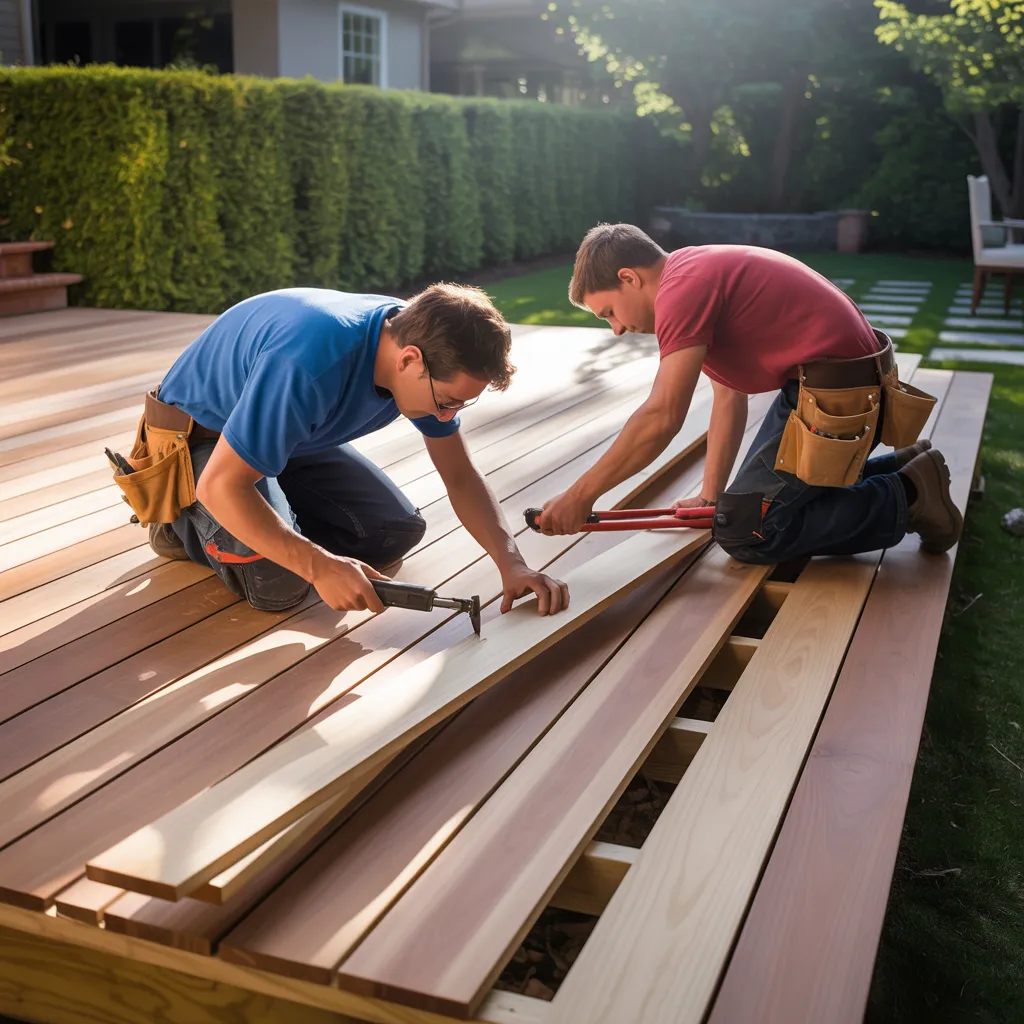
Key Questions to Help You Define Your Perfect Deck
When envisioning the perfect deck, what core aspects should be examined? As a starting point, one must evaluate their core intention for the deck. Is it intended for social gatherings, sharing moments with loved ones, or quietly unwinding alone? Understanding the intended use guides design decisions considerably.
Following this, the preferred dimensions and configuration should be determined. This entails assessing available space and how the structure will integrate with current structures and landscape elements.
Furthermore, one should evaluate the decking area's sunlight exposure and orientation. This impacts how comfortable the space remains throughout the day and influences material selection too.
Lastly accessibility is essential; easy access to the home and surrounding areas will enhance usability. By tackling these important considerations, homeowners can establish a clear vision that sets the foundation for their ideal deck, making sure it aligns with their daily living requirements while blending seamlessly with the surrounding landscape.
Choosing Decking Materials for Your Ideal Backyard Space
Selecting the ideal materials for a deck can significantly influence both its aesthetic appeal and durability. Homeowners regularly explore several choices, including wood, composite, and PVC materials. Organic wood, such as redwood or cedar, provides a traditional look and can be painted or stained to complement any design. That said, it requires routine upkeep to avoid rot and splintering.
Composite materials, made from a mixture of recycled wood fibers and plastic polymers, offer a virtually maintenance-free solution that stands up against fading and staining. Their versatility in color and texture renders them an appealing selection for a wide range of homeowners.
PVC decking, made entirely from plastic, delivers superior durability and protection against moisture, promising lasting performance in a range of climates.
At the end of the day, the picking of construction materials should align with the property owner's preferences, budget, and care preferences, allowing for a custom outdoor area that embodies their personal style while lasting for years to come.
Developing Your Deck Design: Engaging With Industry Professionals
Turning a concept into a beautiful deck design often requires working closely with skilled professionals. Skilled deck builders and design experts partner with homeowners to comprehend their tastes, lifestyle, and visual objectives. The process starts with a preliminary consultation, where ideas are exchanged and fundamental requirements are established.
Skilled specialists apply their expertise to propose layouts, materials, and features that complement the homeowner's desired outcome while guaranteeing functionality and durability. They may provide detailed 3D visualizations, enabling homeowners to visualize the final product and reach well-informed decisions.
Within the planning phase, clear communication plays a vital role. Clients are encouraged to express their thoughts and concerns, while experts provide direction and knowledge. This working relationship not only elevates creative potential but also optimizes the overall workflow, making certain that the finished deck embodies the homeowner's distinct preferences and desires. Ultimately, the collaboration fosters a natural progression from initial idea to a stunning exterior living area.
Deck Building Permits: What You Need to Know?
As the design process progresses, grasping the regulatory framework becomes critical for homeowners looking to construct a deck. Building permits for decks are frequently necessary to guarantee compliance with local building codes and zoning laws. These permits preserve the structural stability and security of the deck, accounting for elements including height, size, and positioning.
Homeowners should begin by contacting their municipal comprehensive resource building office to identify particular requirements. The procedure typically involves providing comprehensive plans, which describe the deck's construction and materials. Additionally, some areas may necessitate inspections at various construction stages.
Overlooking the need for the required permits can lead to fines, mandatory removal, or delays in the construction process. It is recommended that homeowners work closely with seasoned deck contractors who are familiar with regional permitting requirements, ensuring a more efficient progression from design to construction and sidestepping potential complications related to the permitting process.
What Happens During the Deck Construction Phase
Throughout the deck building process, homeowners can anticipate a systematic approach that turns their plans into a finished structure. First, the construction area will be readied, ensuring it is even and free of any obstructions. The deck builders will then lay out the design according to the approved plans, marking key points for posts and beams.
Next, they will establish the structural foundations, including posts and footings, which provide stability. After the framework is established, the builders will install the joists and decking boards, assuring correct spacing and alignment. Throughout this process, clients can anticipate regular updates and communication from the builders, responding to any questions or concerns.
Safety is paramount, so builders will adhere to local codes and regulations. Upon completion, once the construction phase is finished, a comprehensive review will confirm that the deck satisfies all required specifications, paving the way for the final details that will elevate the overall appearance.
Following Construction: Important Deck Care Tips
Following the successful completion of deck construction, maintaining its integrity and appearance becomes a priority for homeowners. Routine upkeep not only improves the deck's appearance but also prolongs its lifespan. First, homeowners should clean the deck regularly, removing debris and dirt to prevent mold growth. Using a gentle cleanser and a soft brush is recommended to avoid damaging the surface.
Protecting the deck with sealant is important, especially for wooden structures. Premium sealant provides protection from moisture, UV rays, and harsh weather. Property owners should renew the sealant every one to three years, depending on environmental conditions.
Inspecting for damaged boards, protruding nails, or structural concerns needs to be carried out on a seasonal basis. Prompt repairs can prevent more extensive damage. Additionally, considering furniture placement and the use of protective mats can help minimize wear and tear. By adhering to these upkeep suggestions, homeowners can ensure their deck stays an attractive and practical outdoor area for many years ahead.

Frequently Asked Questions
What Is the Average Timeframe for the Entire Deck Building Process?
The entire deck building process typically takes one to several weeks in total, influenced by factors like design intricacy, the availability of materials, and weather conditions. Every project is different, influencing the overall timeline notably.
Which Deck Design Trends Are Currently Popular?
Nowadays, popular design styles for decks consist of multi-level structures, incorporated lighting features, sustainable materials, and unrestricted floor plans that connect indoor and outdoor spaces. Earthy finishes and striking colors are also gaining traction with homeowners looking for modern visual styles.
Can I Add Features Like Lighting or Seating Later?
Yes, supplementary additions like lighting or seating can be added later. Skilled deck specialists often suggest accounting for future upgrades during the building process to guarantee effortless blending and keep the structure sound while supporting shifting aesthetic choices.
How Does Weather Affect the Overall Construction Timeline?
Meteorological conditions have a considerable influence on construction timelines. Rain, snow, or extreme temperatures can delay material delivery, hinder worker productivity, and compromise equipment functionality, consequently lengthening the project's completion time and demanding strategic planning to minimize these foreseeable obstacles.
What Kinds of Warranties and Guarantees Are Typically Offered by Deck Builders?
Deck builders typically offer warranty coverage for both labor and materials, ranging from one to ten years. Certain contractors may also offer lifetime warranties on select products, guaranteeing durability and client satisfaction across the full duration of the deck's life.